The Ones Who Moved In
On how a relationship stops being something we have and becomes something we are

A laugh picked up from a friend at sixteen can outlast the friendship. Years later it comes out of your mouth, and for a second you can hear whose it was. Then you laugh again and it’s yours.
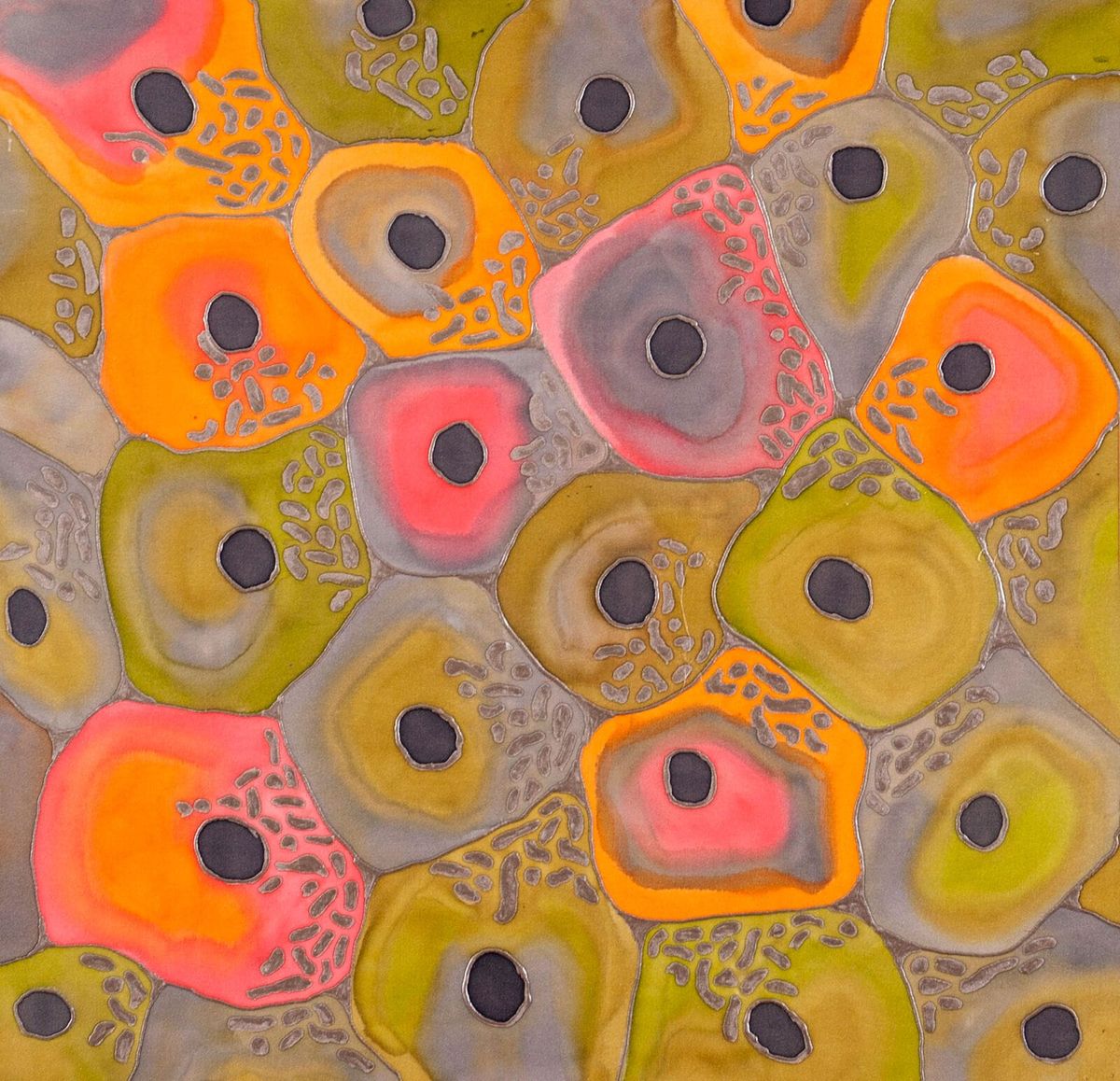
Somewhere around two billion years ago, a bacterium took up residence inside another cell. How it got there is still an open question. Over generations, many of its genes were lost or transferred to the host’s genome. Its descendants became mitochondria, which help power most of our cells today.
Lynn Margulis helped bring this account of cellular origins into biology. I keep coming back to the turn in the story where the guest becomes part of the household. There had been two lives. What came after could do things neither had done alone.
Humberto Maturana and Francisco Varela used the phrase structural coupling for the way repeated encounters can leave a history in the structure of a living system. I think of a familiar staircase. My foot already knows how far to rise before I’ve looked down. On a different staircase, I can feel that old house in the half-second it takes my foot to find the step.
Pregnancy leaves a more literal trace. Cells can pass in both directions across the placenta, and some fetal cells can persist in a mother’s body for decades. This is called microchimerism. I had been thinking about what it means to carry somebody. Here were cells that had simply stayed.
Some things that stay are harder to live with. A person can be gone and a certain tone of voice can still make your shoulders rise. The body learned that response somewhere. It goes on meeting the world in the present tense, even when some of what it knows came from a room you left years ago.
I walk the same paths most days. There’s a stretch where I slow down now because I’ve found mushrooms there before. Some days there’s nothing to see. Still, my feet have already changed pace by the time I think to look.