The World I Thought I Already Knew
An unexpected library book, a familiar sky, and a conversation. A Field Note on looking again and learning to take part in the life already here.
On attention, mortality, nature, and the strange invitation to participate in life.
THE LIVING FRACTAL / FIELD NOTES / 15 OCTOBER 2026
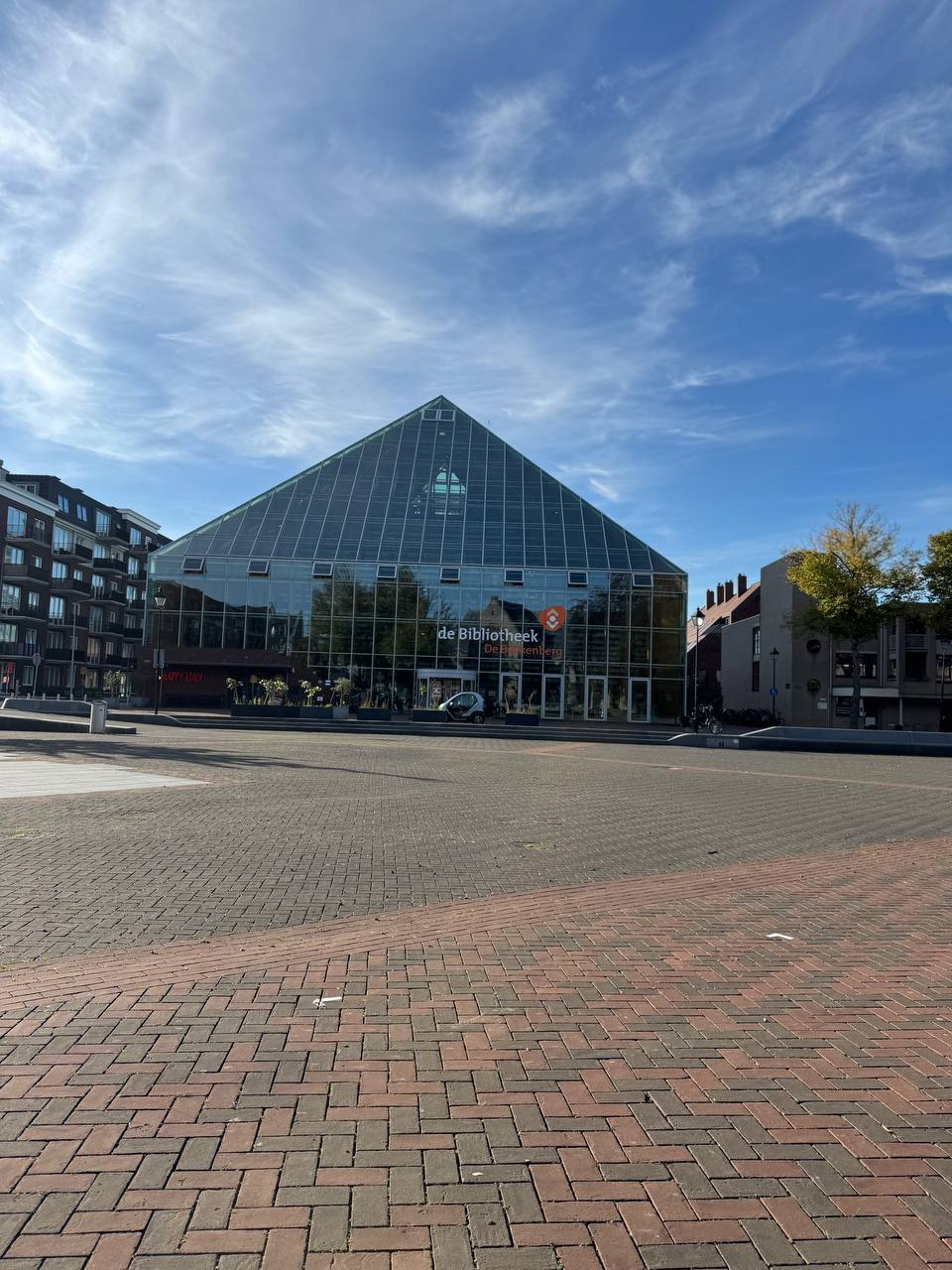
I went to the library today without a particularly ambitious plan. I wanted to look around, perhaps find a forgotten book downstairs, perhaps discover something I would never have thought to search for. Mostly, I wanted to be out in the world.
Lately I have been thinking about how easily I assume that I already know life. I know the streets. I know the routine. I know disappointment, uncertainty, boredom, and the strange weight of being human. Somewhere along the way, familiarity can start to masquerade as knowledge: I have seen enough; I know what this is; it is not enough.
But what if I have been making a judgment about a world I have barely begun to investigate?
For a long time, much of my energy went into surviving. When your attention is occupied by fear, distress, and the next thing that needs solving, there is less room for the fullness of what surrounds you. I am beginning to understand that I was not simply refusing to notice life. Sometimes I had very little space left to notice it.
An unexpected book
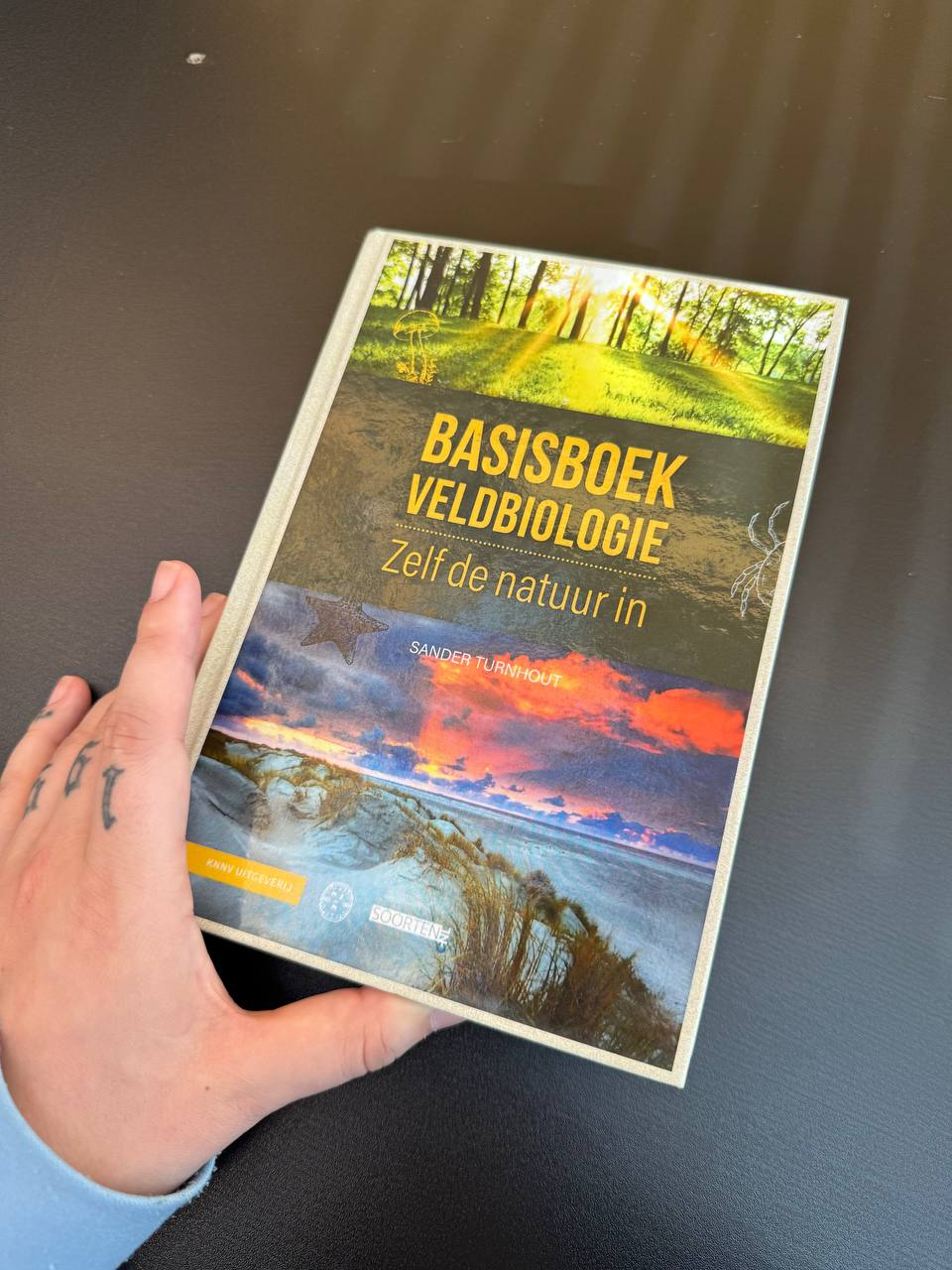
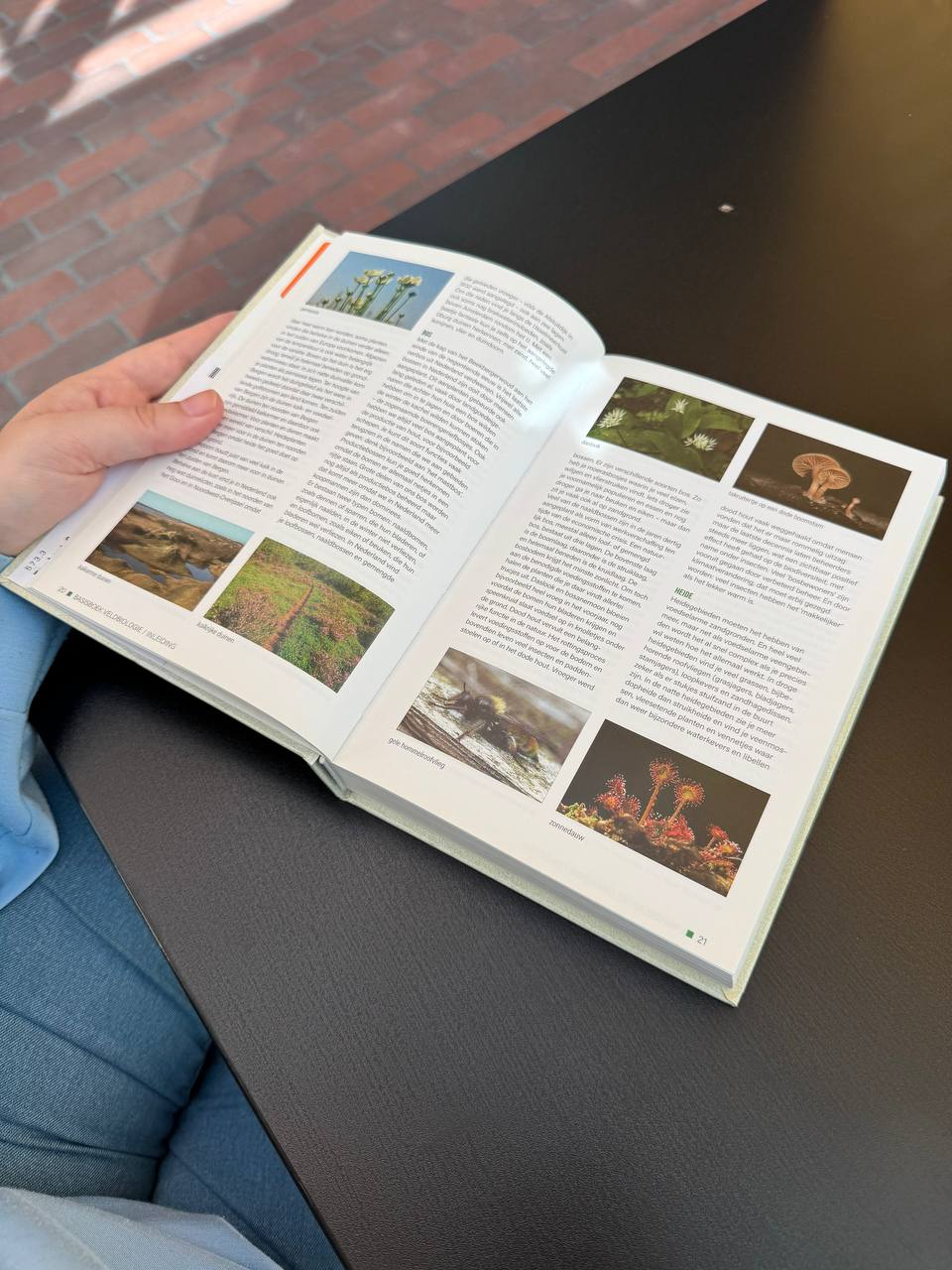
The free-book shelves I remembered were nowhere to be found. Instead I came across Basisboek Veldbiologie: Zelf de natuur in, by Sander Turnhout. I had not come looking for field biology. Yet there I was, reading about species, soil, rivers, clouds, food webs, peatlands, and the many relationships through which living things exist.
The book was not mine to take home. It belonged to the library. But I sat with it, turning pages, following questions I had not known I wanted to ask.
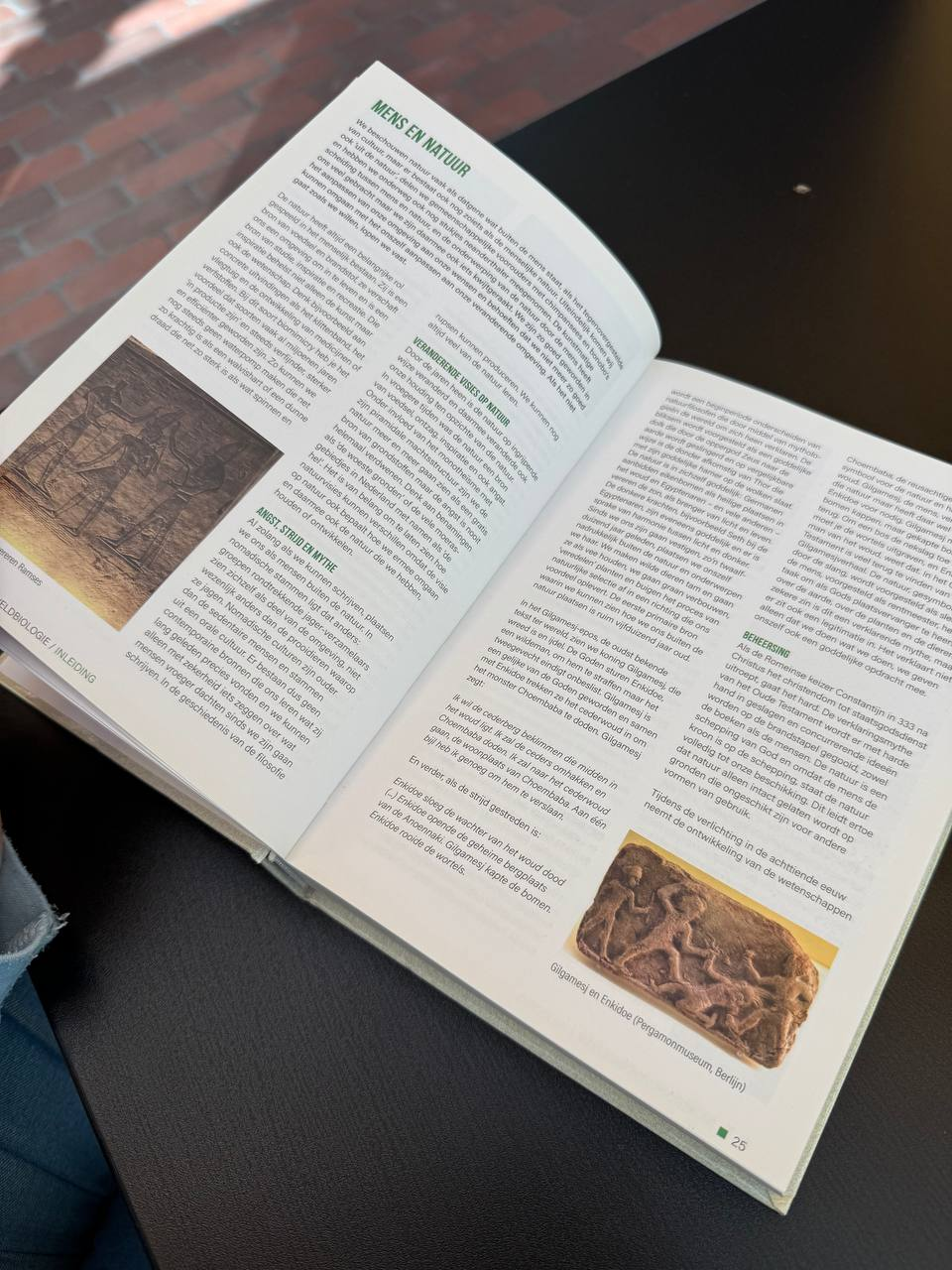
A passage about humans and nature caught me. It traced some of the ways people have tried to understand, manage, and control the natural world. I recognized a familiar impulse: to make reality more predictable, more orderly, less frightening.
The sky was not empty
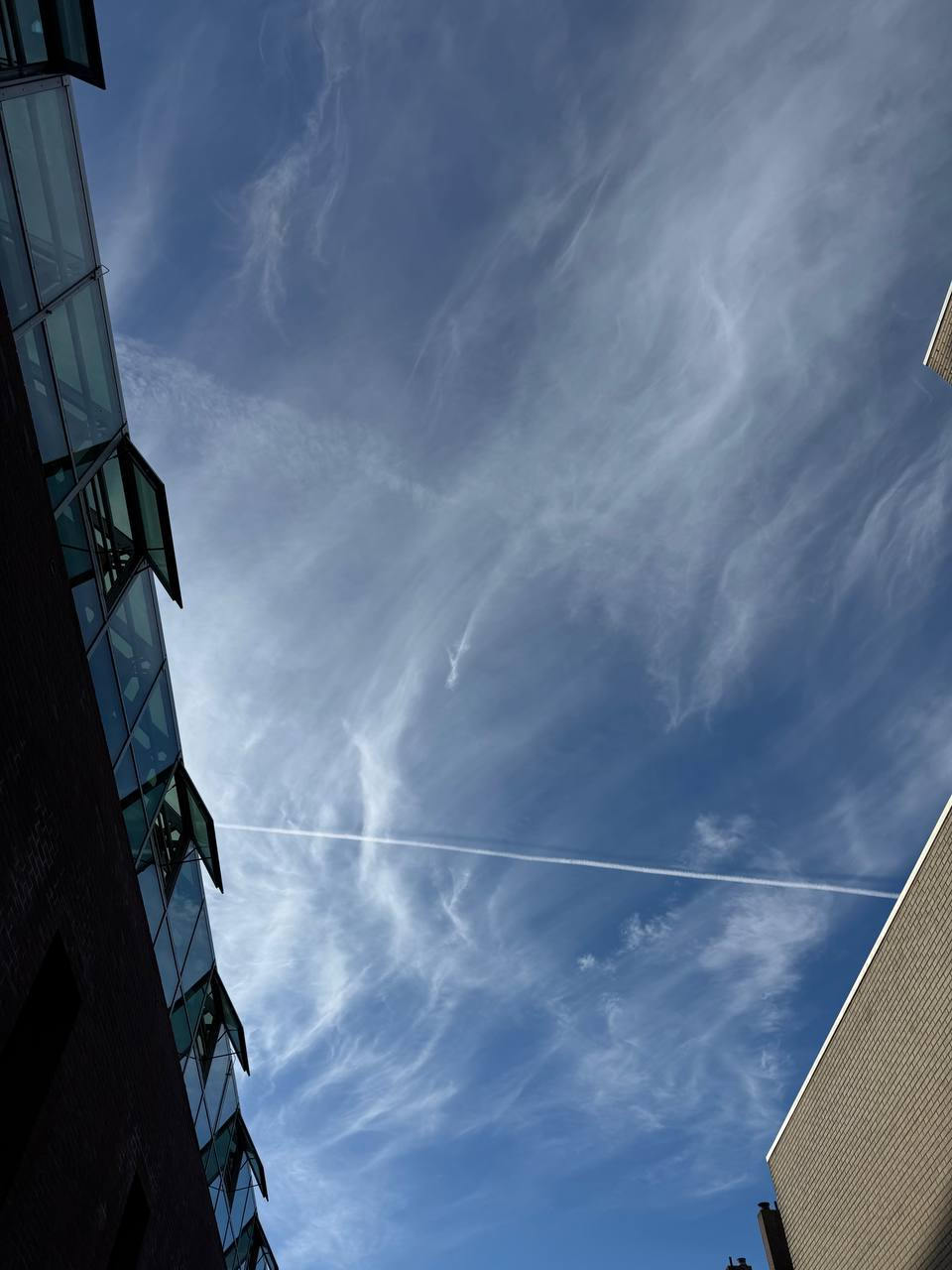
I stepped outside and looked upward. At first I thought there were hardly any clouds. Then I looked again. There was a fine, almost motionless veil, with wisps and patches that I had missed at first. Light was passing through it in delicate variations. I tried to see whether it moved. Perhaps very slowly. A still layer of fluff, I called it.
Nothing spectacular happened. The sky did not perform for me. I simply discovered that my first glance had been incomplete.
That small correction delighted me. How often do I mistake a quick impression for the whole of something?
A world that is not cute
Field biology is not just a catalogue of lovely things. Nature competes. It consumes, decomposes, transforms. Mushrooms grow from decay. Organisms survive by eating other organisms. Life is sustained through processes that can be beautiful, brutal, indifferent, and astonishing all at once.
I have often found myself thinking that something is wrong with humanity, that we need fixing, that our fear and aggression and hunger for control prove some fundamental failure. But humans are creatures too. We have bodies, needs, histories, vulnerabilities. We know that we will die, and somehow we must live with that knowledge. It makes sense that uncertainty can frighten us, and that we reach for explanations and control. But understanding that impulse is not the same as letting it govern everything.
This does not excuse cruelty or make harm good. The fact that destruction occurs in nature tells us nothing, by itself, about what we ought to do. We can recognize the conditions of life and still choose to protect, care, restrain ourselves, and reduce suffering.
But perhaps being human is not itself a defect. Perhaps finitude is not something I have failed to overcome.
I am not trying to romanticize destruction. Nature is not cute, and suffering does not become good simply because it is natural. Yet I no longer want to make the existence of difficulty into evidence that reality itself has failed.
Inhabiting, rather than fixing
For years I have searched for a better framework, a better self, a better version of life. Sometimes I have approached existence as though it were a problem that must be solved before I am allowed to participate in it.
Today I wondered whether I have been asking too much of that project. We are conscious, mortal, embodied creatures. We do not stand outside reality, deciding whether to enter. We are already here. Already affecting one another. Already living within networks of dependence and change.
Perhaps the task is not to become something other than human. Perhaps it is to learn to inhabit being human with greater honesty, attention, and care.
There is some grief in this, too. I used to grieve that life was not what I wanted. Now I sometimes grieve how long I spent wanting to be somewhere else. But those years were not outside life. They were lived under limits that deserve understanding, not contempt.
I also spoke with a friend today who was feeling low. We talked, and afterward he said I had cheered him up. It was an ordinary conversation. But it reminded me that participation is not only exploration of landscapes and books. It is also the small ways our lives meet.
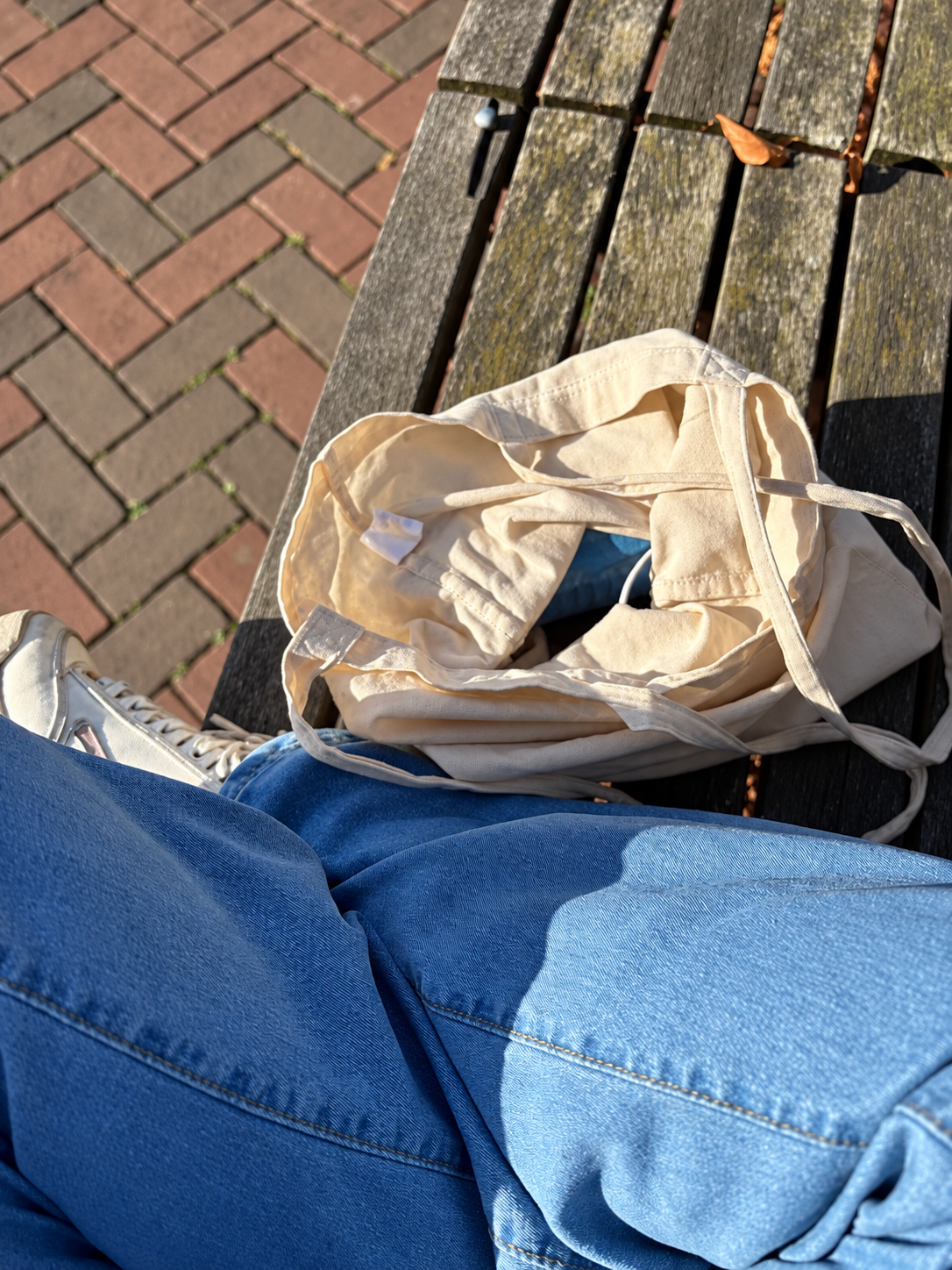
And there were quieter moments: sitting on a bench, watching the light, carrying my bag, walking past familiar buildings. They did not need to become profound in order to count as life.
An invitation, not a conclusion
I am not claiming that the world is good in every respect, or that attention can dissolve depression, suffering, or fear. Nor do I know how to make peace with mortality once and for all. There are things about being alive that remain frightening, unjust, and unresolved.
But I am becoming less certain that reality must be fundamentally different before I can begin to meet it.
I remember the creative magazines and little corners of the internet that once made me feel invited into life: music, color, texture, stories, experiments, other people’s inner worlds. Today, an ordinary library offered me something similar. Not an answer. An opening.
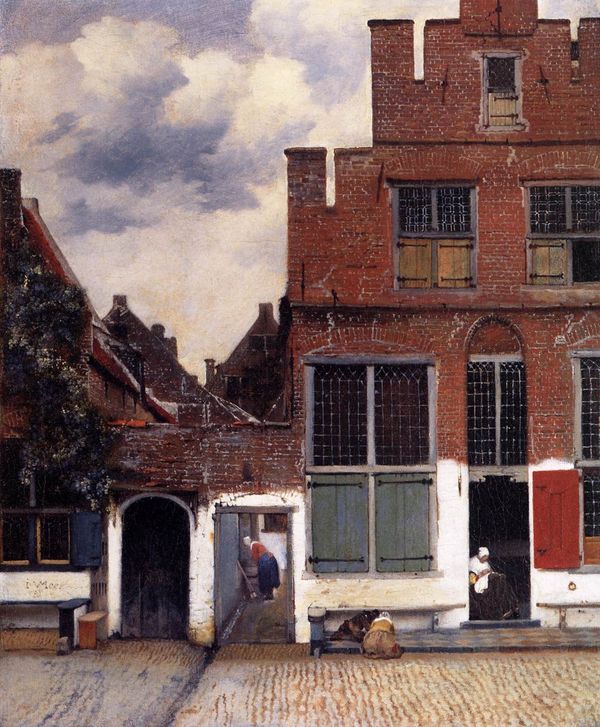
A book I had not expected. A sky I had not properly seen. A creature among leaves. An old building in the sunlight. A conversation.
Maybe the world I thought I already knew is still unfamiliar enough to surprise me.
I would like to find out.
And perhaps you would, too. You don't need to reinvent yourself or travel far to begin. Pick up a book you never meant to read. Look twice at a familiar sky. Listen to someone else's story. See what is actually there, without demanding in advance that it be extraordinary.
If you'd like to follow these field notes, essays, and small expeditions into the art of being human, subscribe to The Living Fractal on Substack. I'd love to have you along.
— Field Notes, Spijkenisse